Home Hydroponics,
Made Simple.
A simple guide to growing without soil.
Fresh greens, fragrant herbs and a little more growing confidence. Discover how to choose your plants, set up a small system and care for your first hydroponic garden.
at home
small spaces
water & nutrients
your own pace
guides
Hydroponic Plants?
Hydroponics is a way to grow plants without soil. Roots receive a carefully prepared nutrient solution, while the system provides the oxygen and support they need.
From a small kitchen herb kit to a dedicated growing space, start with a setup that fits your home and your routine.
Understand the basics →Fresh leaves, even in a small flat.
Hydroponics isn’t magic, and it isn’t hard. It just swaps a pot of soil for water you can measure.
It fits small spaces
You don’t need a garden. A shelf, a balcony corner or a kitchen counter is enough for a handful of lettuce and herb plants. There’s no digging, no weeding and no heavy bags of compost to carry upstairs.
You can see what’s going on
In soil, you guess what’s happening underground. In a hydroponic system you can test the water, look at the roots and fix a problem quickly. Many growers find leafy greens grow fast because water, air and food are always within reach.
Fresh food all year
With a light on a timer, lettuce and basil don’t wait for spring. You can pick a handful of leaves for dinner in the middle of winter, and you know exactly what the plants were fed.
Find your first hydroponic plant.
Start with leafy greens and herbs, then explore something new.
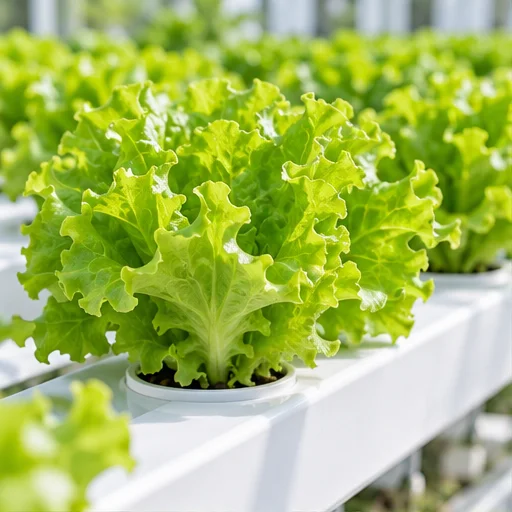
Lettuce & leafy greens
A practical first crop for fresh home harvests.
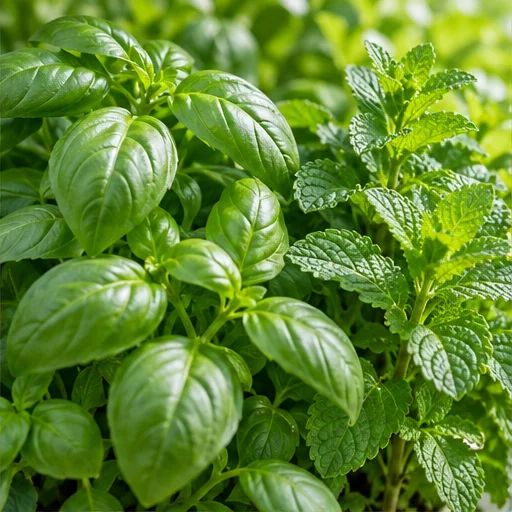
Basil
Learn to grow and prune basil for the kitchen.
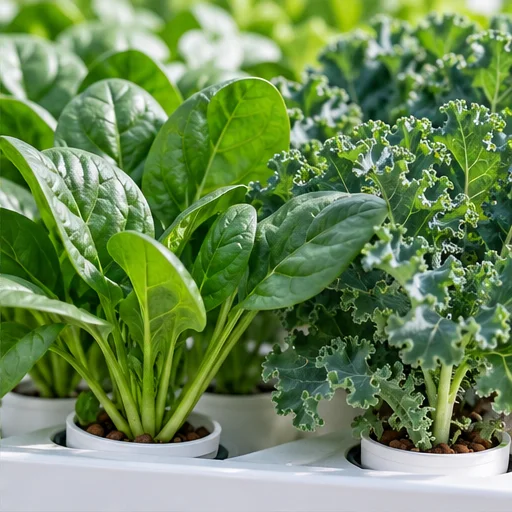
Spinach & kale
Choose leafy greens for your conditions.
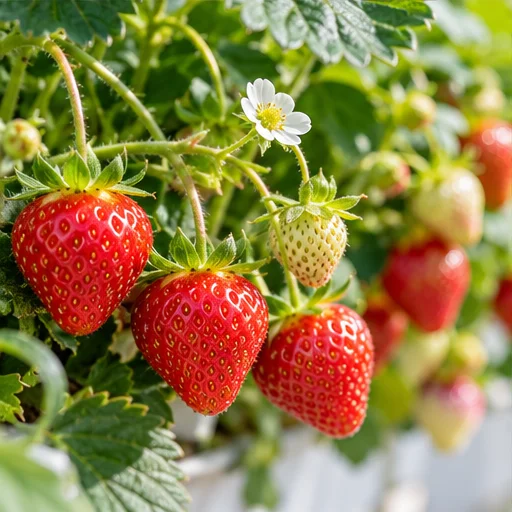
Strawberries
Plan crowns, flowers and fruiting care.
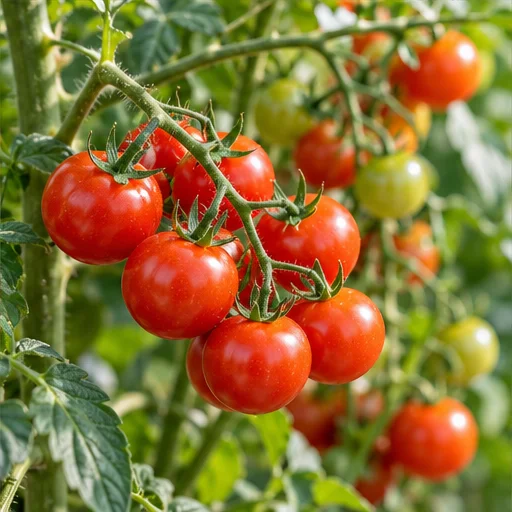
Tomatoes
Give fruiting crops light and support.
Which plant should you grow first?
Grow something you will actually eat. That’s the whole secret to sticking with it. For most people, the best first crop is loose-leaf lettuce. It sprouts in a few days, grows quickly, stays compact and doesn’t need pollination. If you pick the outer leaves, the plant keeps producing for weeks.
If you cook a lot, try hydroponic basil. It loves light and warmth, and regular pinching makes it bushy. Bok choy, mint, chives and parsley are also easy wins, and you can find them all in our hydroponic plant guide.
Hydroponic strawberries and hydroponic tomatoes are worth the wait, but they ask for stronger light, more root space and a little help with pollination. Leave them for your second or third grow, once you know how your reservoir behaves.
Whatever you choose, start with one crop in one small system. It is much easier to learn from a single jar of lettuce than from a crowded rack of five different plants.
A system for every growing space.
Understand how water, nutrients and oxygen reach your plants.
Compare hydroponic systems →How to start hydroponic planting.
- Choose one crop.Begin with lettuce or a kitchen herb.
- Pick a manageable system.Match the reservoir and light to your space.
- Prepare the essentials.Gather nutrients, net pots and seed plugs.
- Observe and adjust.Check water, roots and growth regularly.
Buy what you need.
- Reservoir, net pots and seed plugs
- Complete hydroponic nutrients
- pH testing and a suitable EC meter
- Grow light when natural light is limited
- Pump and tubing for an aerated setup
Clear advice. Realistic expectations.
Learn the principles behind the equipment. Our guides explain crop choice, maintenance and common mistakes without promising a perfect harvest.
Product selection advice is educational. We distinguish growing guidance from hands-on product testing.
About our editorial approach →A little growing clarity.
What can you grow hydroponically?
Lettuce, herbs and leafy greens are the easiest places to start. Strawberries, tomatoes and peppers also grow well when you can give them enough light and support.
Is hydroponics good for beginners?
Yes, if you keep it small. Pick one crop, use a simple system and check it every day. Our Start Here guide walks you through it.
Do hydroponic plants need grow lights?
Only when natural light is not strong enough. A sunny greenhouse or bright window can be enough. In most homes, an LED on a timer gives better results.
Do hydroponic plants need plant food?
Yes. Water alone is not enough, so you add a nutrient made for hydroponics and check the pH.
How much does it cost to start?
A simple Kratky jar costs very little. A small kit with a light costs more. Nutrients, a pH test and electricity are the ongoing costs.
Six mistakes most beginners make.
Every one of these is easy to avoid once you know about it.
Starting too big
A large system means more to clean, more to monitor and more to go wrong. Begin with a small container and one crop. Start Here shows how.
Letting light into the water
Clear containers grow algae, which competes with your plants. Use an opaque reservoir or cover it. See our care guide.
Ignoring pH
If the acidity is out of range, plants can’t absorb the nutrients you’ve paid for. Test after mixing. Our nutrient guide explains the numbers.
Feeding too strongly
More fertilizer doesn’t mean faster growth. Strong mixes burn roots and leaf tips. Follow the label and start gently with seedlings.
Too little light
Long, thin stems and pale leaves usually mean the plant is stretching for light. A basic LED on a timer helps. Read about grow lights.
Warm, stale water
Warm water holds less oxygen and encourages root rot. Keep it around 18 to 22°C (64 to 72°F) for leafy crops, and keep the water moving or aerated.
Guides for the next step.
Once your first crop is growing, these pages answer the questions that come up next.
The Kratky method
Grow lettuce and herbs in a jar with no pump, and learn why the air gap matters.
Deep water culture
Set up a bucket with an air pump for faster growth and bigger plants.
Nutrients, pH and EC
What to feed your plants, how strong to mix it and how to read your meter.
Growing media and net pots
Clay pebbles, coco coir, perlite and plugs, and when to use each one.
Grow lights
How much light your plants need and how to choose a lamp that covers your space.
Indoor gardens
Light, airflow, safety and the best compact plants for a home.
Hydroponics questions, answered.
Short answers to the things new growers ask most.
Is hydroponic food safe and healthy?
Yes, when the water, equipment and harvest are kept clean. Hydroponic vegetables are the same species as soil-grown ones. Wash leaves before eating, as you would with any produce.
Does hydroponics use more water or less?
Usually less. Recirculating systems reuse water instead of letting it drain away. At home the saving is smaller than on a commercial farm, but you still waste very little.
How long does it take for hydroponic plants to grow?
Leafy greens often take four to eight weeks from seed. Herbs take a similar time. Strawberries and tomatoes take a couple of months before fruit, sometimes longer.
Can I grow hydroponic plants outdoors?
Yes. A balcony, patio or greenhouse works well. Outdoors you will need to watch for heat, rain diluting the reservoir and pests.
Can I use tap water?
Often yes. Tap water already contains dissolved minerals, and these affect your pH and nutrient strength readings. If your water is very hard, appropriate water treatment, such as reverse osmosis where needed, can give you more control; an ordinary carbon filter does not remove all dissolved minerals.
What is the difference between hydroponics and aquaponics?
Hydroponics feeds plants with a nutrient solution you mix. Aquaponics adds fish, and their waste is converted by bacteria into plant food. Aquaponics is more complex to set up and balance.
Do I need electricity to grow hydroponically?
Not always. A Kratky jar needs no pump, and a sunny window can replace a lamp. Most indoor setups use a grow light, and aerated systems need an air pump.
Where should I start reading?
Begin with our Start Here guide, then read the lettuce or basil guide. After your first harvest, move on to nutrients and lighting.
Latest growing stories.
New ideas and practical notes for your home garden.
Explore our plant guides and beginner guide. New growing stories will appear here as they are published.